

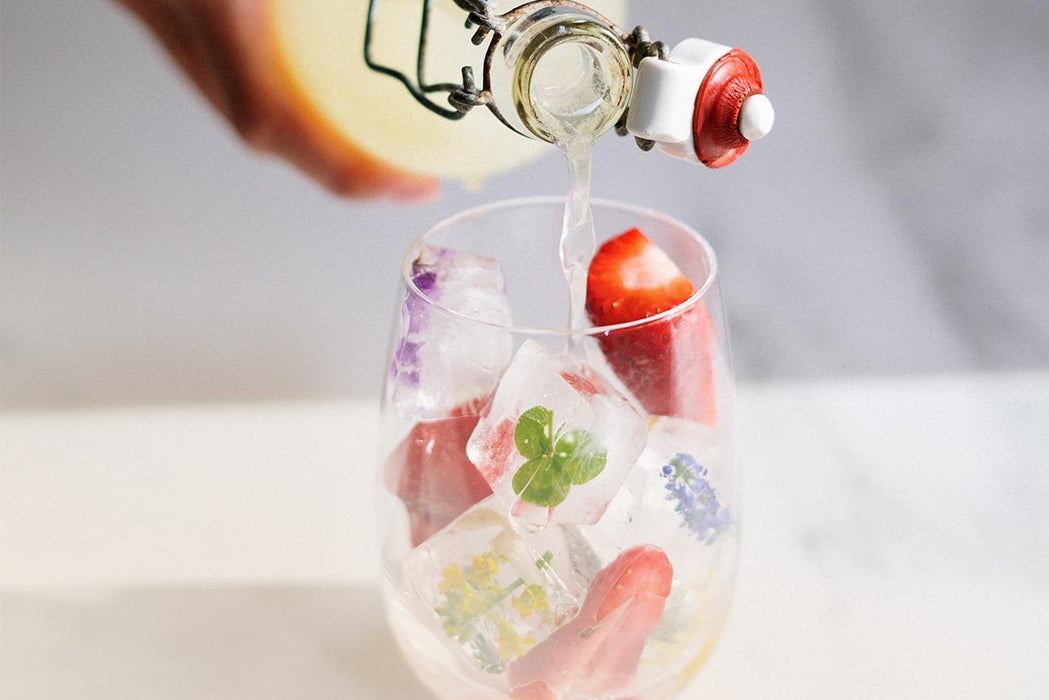
If you've already been diligently reading our blog, you know the basics of kombucha fermentation. Now it's time for the sparkling refinement: the second fermentation. With fruits, juices, herbs, and spices, you can try new flavor combinations and refine your kombucha to suit your taste.
What happens during the second fermentation?
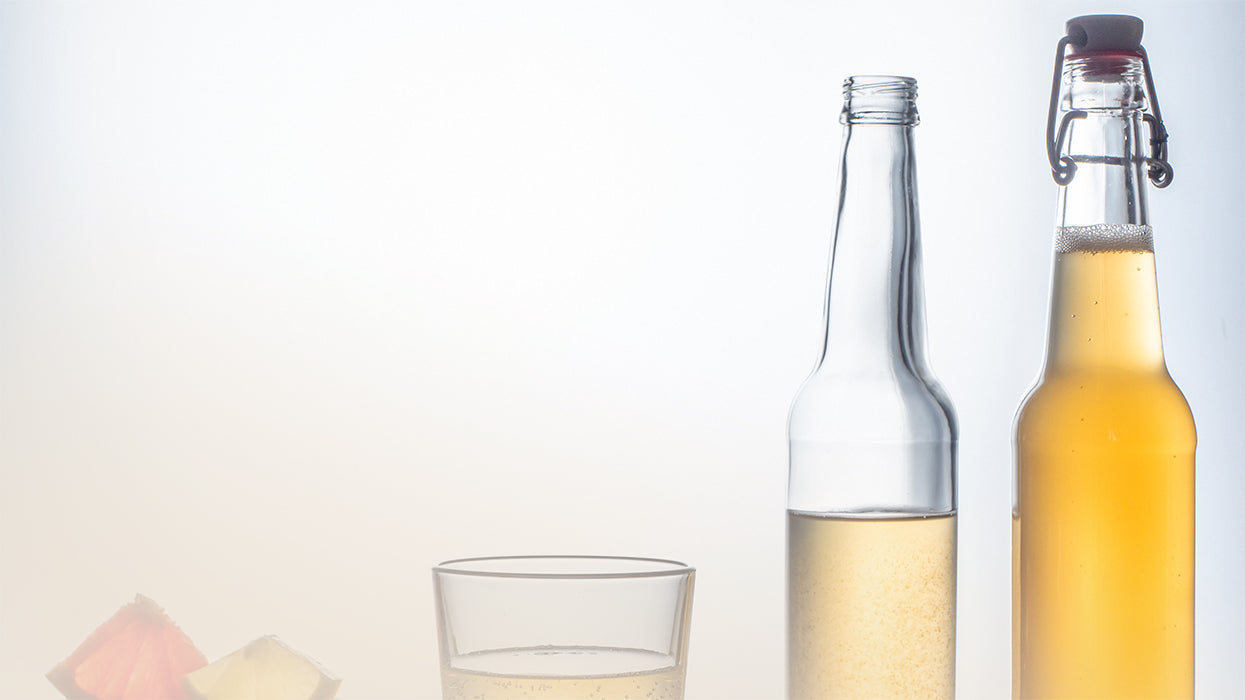
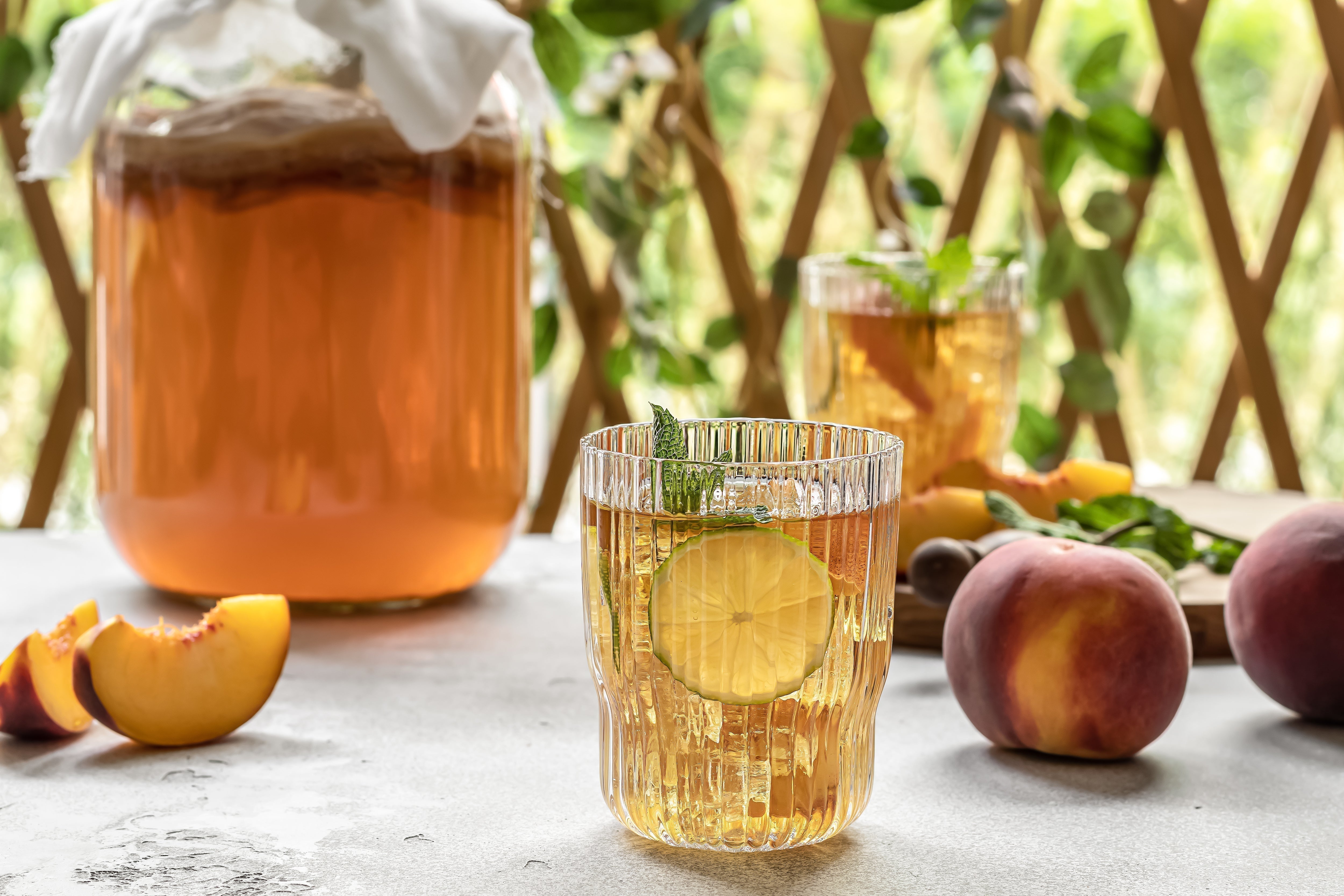
After the first fermentation, kombucha can be bottled in pressure-resistant, sealed bottles for a second fermentation phase. Fruits, juices, herbs, or spices can be added to further develop the flavor and aroma.
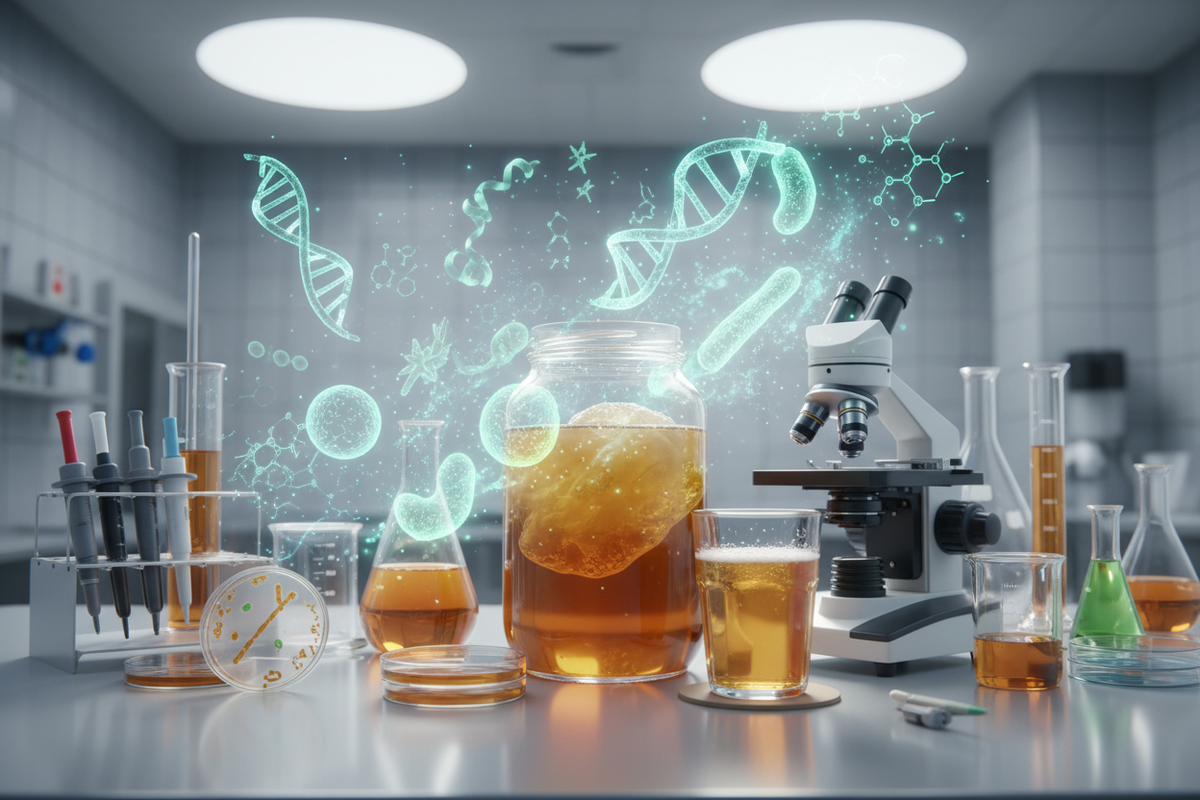
The yeasts present in the beverage can continue to metabolize residual sugar as well as sugar from additional ingredients. This can produce carbon dioxide. Since it cannot easily escape the sealed bottle, the carbonation increases.
How pronounced this effect is depends on several factors, including the culture used, the amount of sugar, the additional ingredients, the temperature, and the fermentation time.
The second fermentation is therefore primarily used for flavor refinement and carbonation. It does not automatically make kombucha "healthier" and does not allow for blanket statements about additional health benefits.
Important: During the second fermentation, considerable pressure can build up in the bottle. Use only sturdy bottles that are expressly suitable for carbonated beverages, observe the maximum fill level, and open the bottles carefully. A fixed fermentation time does not guarantee a specific pressure.

What do I need for the second fermentation?
For the second fermentation, you need fully fermented kombucha and pressure-resistant, tightly sealable bottles. Depending on how many flavors you want to try, you can use several smaller bottles.
Leave the headspace recommended by the bottle manufacturer when bottling and then add the desired ingredients. Especially fruits, juices, and other sugary ingredients can enhance the further formation of carbon dioxide.
Depending on the recipe, the kombucha can then continue to ferment at room temperature for a short time. Monitor the process regularly and make sure that dangerously high pressure does not build up. Time alone does not reliably indicate how much pressure has already built up.
When the flavor and carbonation are to your liking, place the bottles in the refrigerator. Refrigeration significantly slows down further fermentation, but does not necessarily stop it completely. Therefore, open the bottles carefully even after refrigerating them.
Tip: Use only sturdy bottles that are expressly suitable for carbonated beverages or the intended fermentation. Regular drinking bottles or decorative glass bottles are not automatically suitable for this purpose.
Fruit, herbs, and spices for more flavor
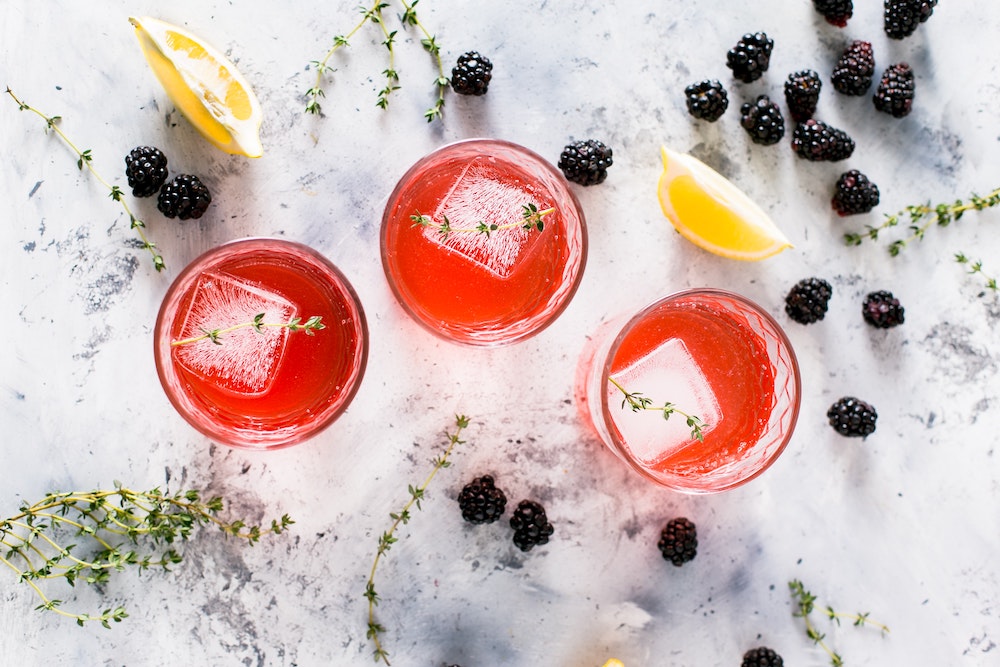
With fruits, juices, herbs, and spices, you can flavor your kombucha in many different ways.
Possible ingredients include:
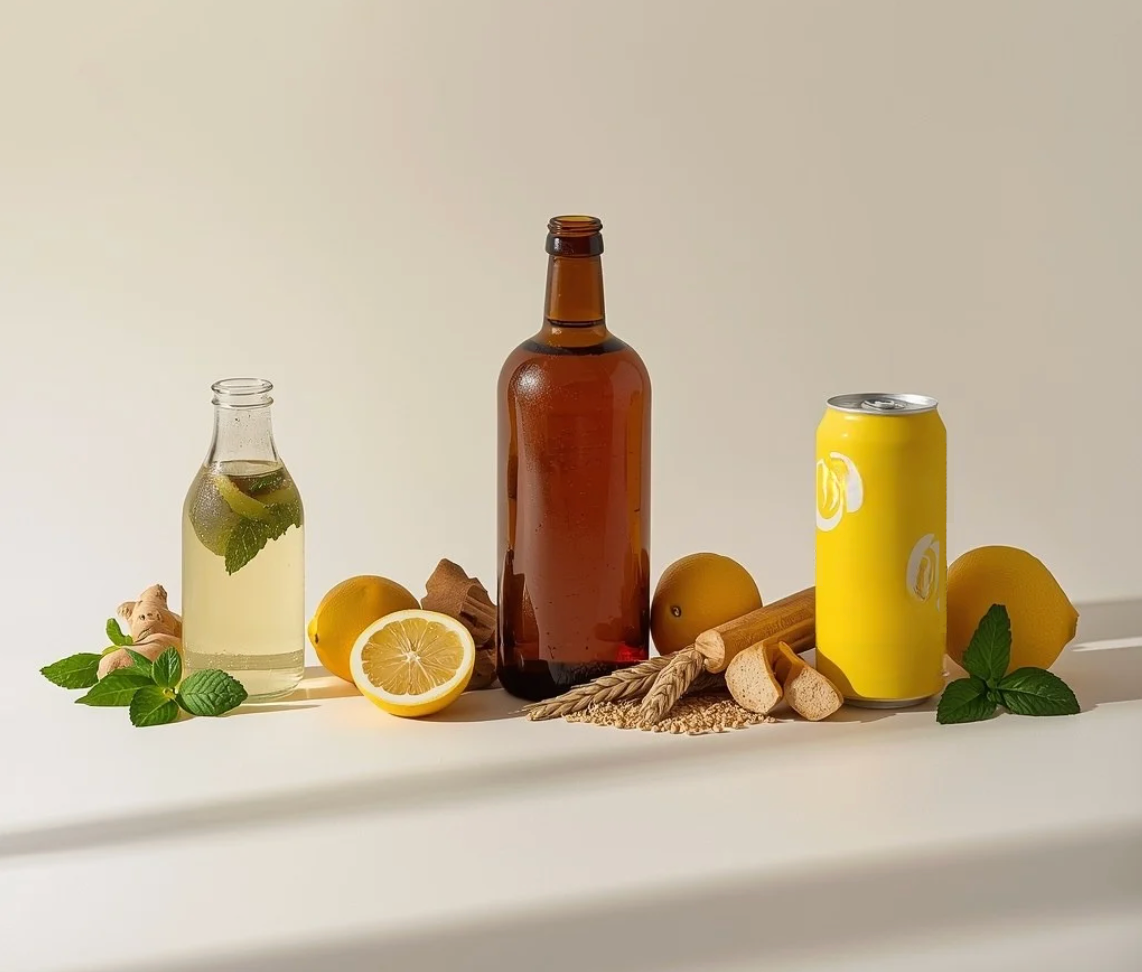
- Fresh fruits and berries such as strawberries, oranges, apples, watermelon, plums, pomegranates, or lemons
- Dried fruits such as dates, figs, cranberries, mango, or raisins
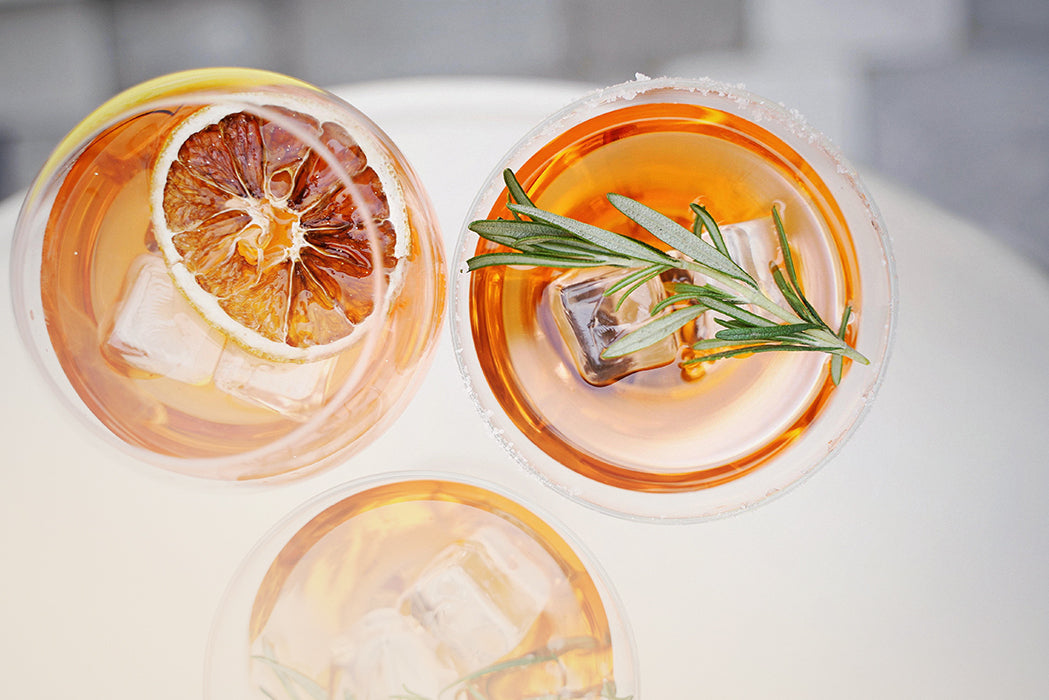
- Herbs such as basil, mint, rosemary, thyme, or lemon verbena
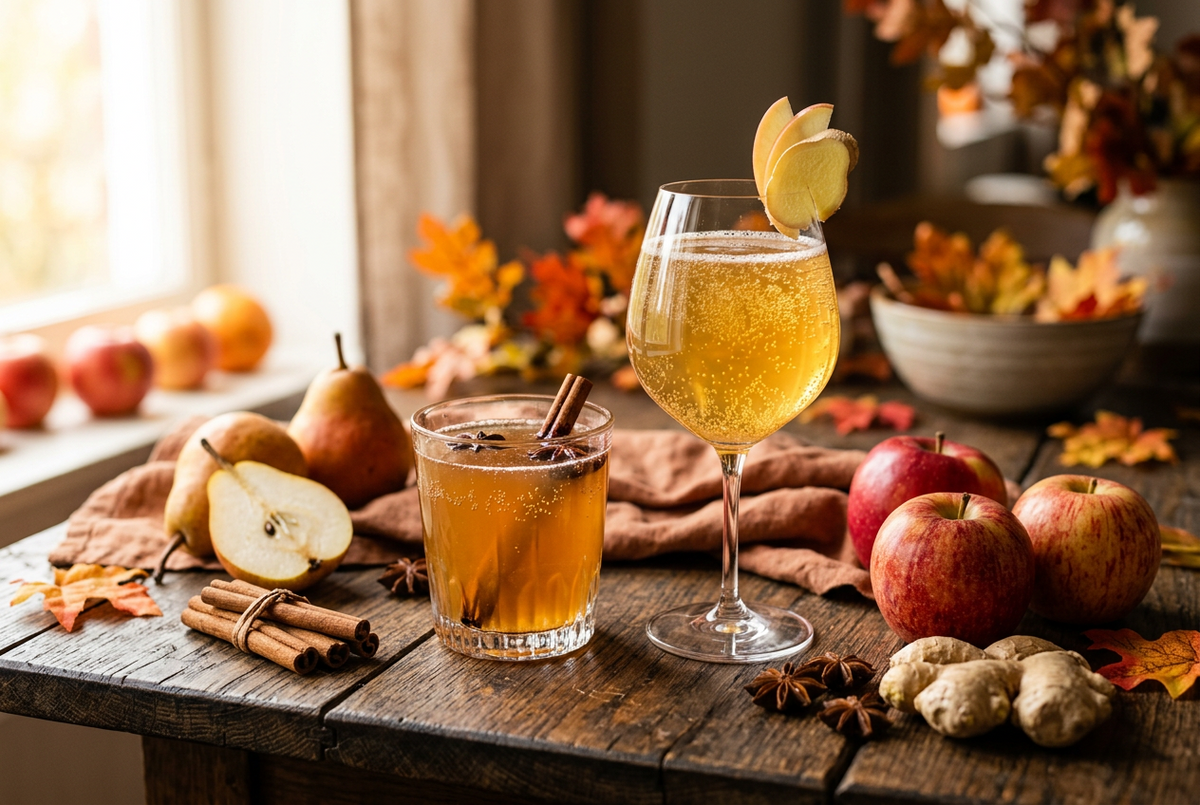
- Spices such as cinnamon, vanilla, cardamom, ginger, or star anise
- Food-safe flowers such as lavender, rose, elderflower, or hibiscus
- Juices such as orange, apple, pomegranate, grapefruit, or ginger juice
- Other ingredients such as ginger, turmeric, beetroot, or cucumber
Often, less is more. If you stick to one to three ingredients, the individual flavors will be easier to distinguish.
Also keep in mind: The more usable sugar the additional ingredients contain, the stronger the further fermentation and, therefore, the carbonation formation can be. The flavor also changes during fermentation.
Our kombucha varieties
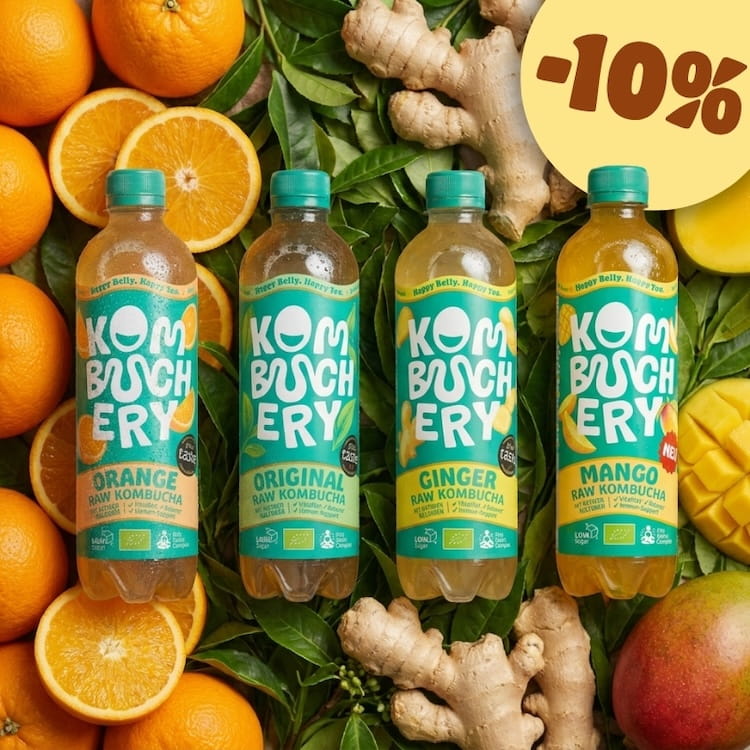
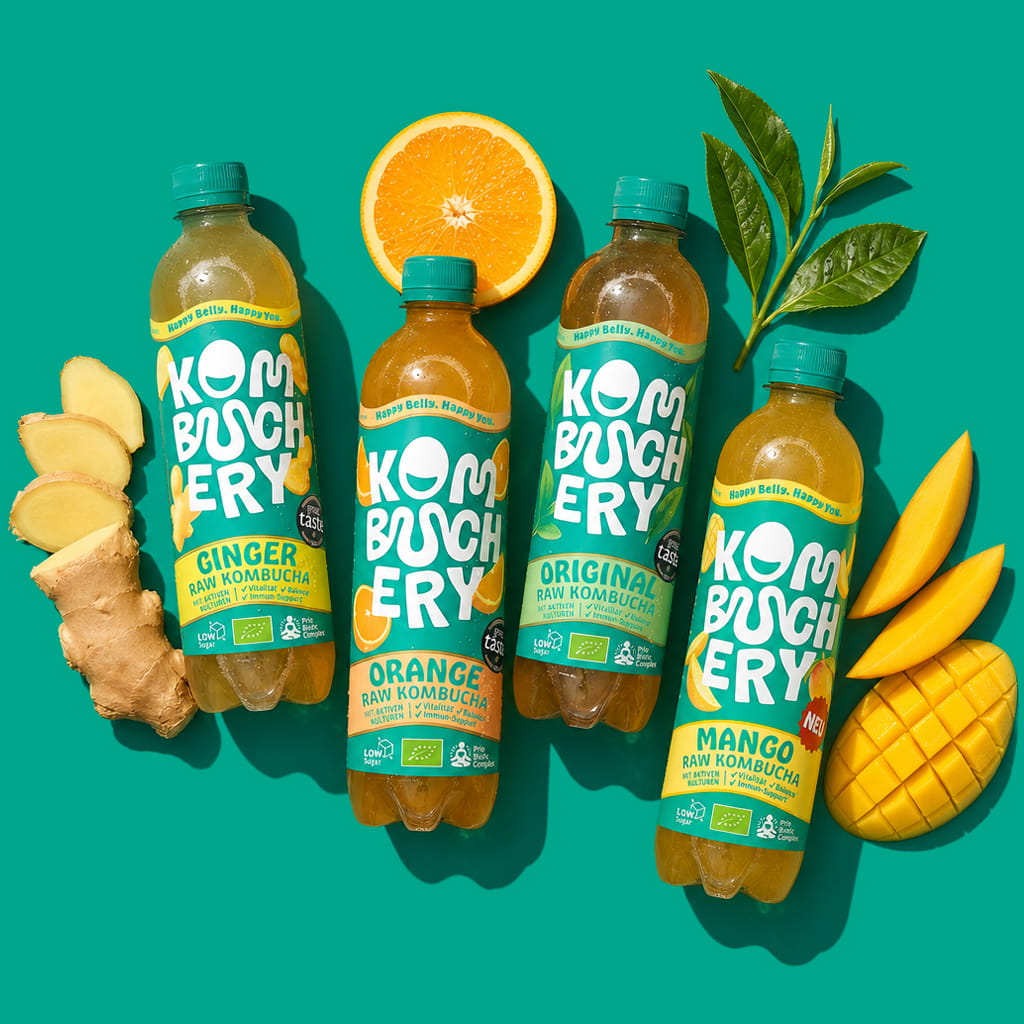
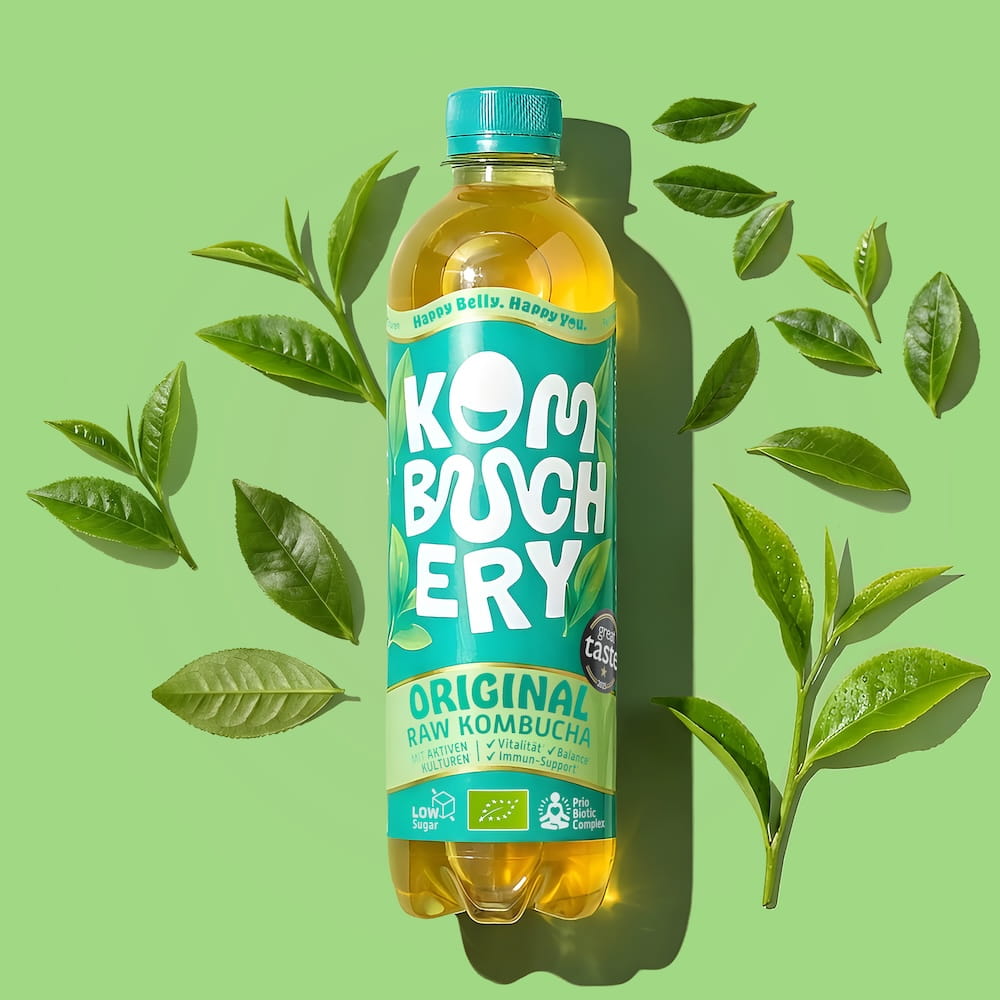
At Kombuchery, you will find a variety of flavors. The available varieties may change over time. The base and ingredients vary depending on the product.
You can find the current selection, list of ingredients, and nutritional information directly on the corresponding product pages. If you want to use bottled kombucha for a second fermentation, make sure that the product is suitable for this purpose and that the further fermentation is taken into account when handling it.
Kombucha as a personal routine
Some people drink kombucha regularly, while others only drink it occasionally. A specific duration, such as 30 days, is not required.
If you are new to kombucha, you can try different varieties and situations to find out when the fermented tea beverage best fits into your daily life.
Anyone who drinks kombucha regularly for 30 days is primarily establishing a consistent drinking routine. For example, members of our community report replacing classic soft drinks with kombucha more often or discovering new favorite varieties for different everyday situations. However, individual health changes cannot be generally attributed to kombucha.
Fruits, juices, and spices for your own second fermentation
You can also further develop the flavor of your kombucha at home with different ingredients.
Ginger, for example, brings an intense, spicy heat. Berries provide fruity, tart notes, while citrus fruits can add freshness and passion fruit can add a tropical aroma.
Which ingredients you use depends primarily on the flavor you want. At the same time, especially sugary fruits and juices can influence further fermentation and carbonation formation.
Recipes for the second fermentation
Important for all recipes: Use suitable, pressure-resistant bottles and pay attention to the potential build-up of pressure. Opening the bottle daily does not guarantee that dangerously high pressure will not develop. Monitor the process carefully, avoid overfilling, and refrigerate the kombucha as soon as the desired carbonation is achieved. Fermentation can continue slowly even in the refrigerator.

Ginger-lemon kombucha
You will need:
- 4 pressure-resistant bottles with a capacity of 200 ml each
- 8 slices of peeled ginger
- Approx. 800 ml of ready-made KOMBUCHERY Original
- 30 ml freshly squeezed lemon juice
Note on quantity: Three 330 ml bottles contain a total of 990 ml. However, only 800 ml are needed for four 200 ml bottles. Therefore, check the actual quantity needed before bottling and do not fill the bottles beyond the fill line specified by the manufacturer.
How to make it:
- Distribute the ready-made kombucha among the four bottles, leaving the recommended headspace at the neck of the bottle.
- Distribute the peeled and washed ginger slices evenly among the bottles.
- Distribute the lemon juice among the bottles.
- Seal the bottles with suitable caps.
- Allow the kombucha to continue fermenting at room temperature only under suitable conditions and with regular, careful monitoring. Depending on the culture, ingredients, residual sugar, and temperature, the desired carbonation may develop after a short time. Once the flavor and carbonation are to your liking, refrigerate the bottles and open them carefully.
Cranberry-ginger kombucha
You will need:
- 500 ml ready-made kombucha
- 2 tablespoons of cranberry juice
- 1 teaspoon of grated ginger (if you prefer less ginger, you can alternatively use some freshly squeezed orange juice)
How to make it:
- Pour 500 ml of ready-made kombucha into a sufficiently large, pressure-resistant bottle and leave the recommended headspace.
- Add the ginger and cranberry juice. If you want a stronger cranberry flavor, you can increase the amount of juice to taste. Keep in mind that additional sugar can influence carbonation formation.
- Seal the bottle with a suitable cap.
- Monitor the process carefully and do not allow the kombucha to continue fermenting based solely on a set number of days. Once the flavor and carbonation are to your liking, place the bottle in the refrigerator and open it carefully.
Cranberry juice brings a tart, fruity-tart note to the kombucha. Together with ginger, it creates a bold aroma of fruitiness, tartness, and spicy heat.

Kombucha with flowers
You will need:
- 800 ml ready-made kombucha
- 1 small elderflower head
- 10 to 15 chamomile flowers
- 3 lavender flowers
- 3 dried rosebuds
How to make it:
- Pour the kombucha into a sufficiently large, pressure-resistant container and leave the recommended headspace.
- Use only clearly identified, food-safe, and preferably untreated flowers. Carefully inspect the flowers and remove any impurities.
- Pick off the small elderflower heads.
- Carefully separate the chamomile and lavender flowers from their stems.
- Add the flowers to the kombucha.
- Seal the container and monitor the process regularly. The duration and pressure development depend on the ingredients and fermentation conditions. Do not use the flowers if their identity or suitability for food is unclear.
- Once the flavor and carbonation are to your liking, strain out the flowers and store the kombucha in the refrigerator.
Elderflower, chamomile, lavender, and rose flowers bring floral, sometimes slightly tart aromas to the second fermentation. Do not use unknown wildflowers or plants that may have been treated with pesticides or other unsuitable substances.

Minty strawberry kombucha
You will need:
- 800 ml ready-made kombucha
- 3 tablespoons of chopped strawberries
- 6 to 10 peppermint leaves, depending on the desired intensity
How to make it:
- Place the washed strawberry pieces and mint leaves in a sufficiently large, pressure-resistant bottle.
- Seal the bottle with a suitable cap and monitor the process carefully. The fermentation speed depends on several factors, including temperature, residual sugar, and the activity of the microorganisms.
- Once the flavor and carbonation are to your liking, strain out the ingredients if necessary and store the kombucha in the refrigerator. Pay attention to the potential pressure when opening.
Strawberries bring natural sweetness and a fruity aroma to the kombucha. Mint adds a fresh, slightly cooling flavor note. Together, they create a summery variety for the second fermentation.
You can find more delicious recipes and book recommendations here on our blog.
The most important things about the second fermentation
- For more flavor: Fruits, juices, herbs, and spices offer many ways to flavor kombucha.
- For more carbonation: Yeasts can continue to metabolize sugar and produce carbon dioxide in the process.
- Bottle choice: Use only pressure-resistant bottles and observe the maximum fill level.
- Fermentation time: There is no universal time that works for every recipe and temperature.
- Storage: Refrigeration slows down fermentation, but does not necessarily stop it completely.
- Hygiene: Use clean utensils and only ingredients that are suitable for food.
FAQ about the second kombucha fermentation
How long does the second fermentation of kombucha take?
The duration depends on several factors, including temperature, residual sugar, the culture, and the added ingredients. Therefore, there is no fixed time that works reliably for all batches. Monitor the process carefully and place the bottle in the refrigerator as soon as the flavor and carbonation are to your liking.
Which ingredients are suitable for the second fermentation?
Fresh fruits, fruit juices, ginger, herbs, and food-safe flowers are suitable, for example. It is best to start with a few ingredients so that you can better assess the individual flavors. Keep in mind that sugary ingredients can enhance further fermentation and pressure build-up.
Why does carbonation develop during the second fermentation?
Yeasts can metabolize residual sugar and sugar from additional ingredients. This produces carbon dioxide, among other things. In a sealed bottle, some of it remains dissolved in the beverage, creating carbonation and simultaneously increasing the pressure in the bottle.
Can I open kombucha daily during the second fermentation?
Regular, careful monitoring can help you notice changes, but it is not a guarantee against dangerously high pressure build-up. Do not open a bottle if it is noticeably under pressure or damaged. Use suitable bottles, follow the manufacturer's instructions, and refrigerate the kombucha as soon as the desired carbonation is achieved.
How long does kombucha last after the second fermentation?
No blanket shelf life can be given for homemade kombucha. It depends on several factors, including hygiene, recipe, degree of fermentation, residual sugar, ingredients, and storage. Refrigeration significantly slows down further fermentation, but does not necessarily stop it completely. If you see visible mold, notice an unusual smell, or other unusual changes, you should no longer drink the beverage.
Does kombucha contain alcohol after the second fermentation?
Alcohol can develop during the fermentation of kombucha. The content depends on several factors, including the recipe, culture, fermentation time, temperature, and storage. The alcohol content can change during the second fermentation. For homemade kombucha, it cannot be reliably determined without a suitable analysis.

Share:
3 comments
SUPER TOLLE Einführung in das Thema. Kurz und trotzdem ausführlich genug.
DANKE … und jetzt gehts los mit der Zweitfermentation ;-D
Die beste Beschreibung überhaupt. Sehr ausführlich und interessant. Danke
Hallo und danke für die ausführlichen Infos.
in meiner Zweitfermentation (pur) entwickelt sich in den Flaschen immer ein Schleimpfropf. Warum und ist der schädlich? Ich bin noch nicht sehr mit dem Brauen des Kombuchas vertraut und hoffe auf eine Antwort.
LG Maria