


Kombucha or Water Kefir? A Comparison with Functional Lemonades
The range of beverages has changed significantly in recent years. In addition to classic soft drinks, an increasing number of fermented beverages and so-called functional lemonades are now available in supermarkets. Kombucha, water kefir, and modern lemonades with added fiber or fermented cultures are particularly popular.
But how do kombucha, water kefir, and functional lemonades really differ? And which beverage is the best fit for you in terms of ingredients, taste, everyday suitability, and price? This comparison explains how the beverages are made and what to look for when choosing.
1. Differences Between Kombucha, Water Kefir, and Functional Lemonades
Kombucha – Fermented Tea with a Tangy Taste
Kombucha is a fermented tea beverage made from tea, sugar, and a culture of yeast and bacteria, often referred to as a SCOBY. During fermentation, organic acids and, depending on how it is made, carbon dioxide are produced. The result is a characteristically sweet and tangy beverage.
Typical characteristics of kombucha:
- made from black or green tea
- tangy and, depending on the recipe, fruity taste
- may contain live microorganisms if unpasteurized
- often enhanced with fruit, juice, or herbs
- naturally contains caffeine if caffeinated tea is used
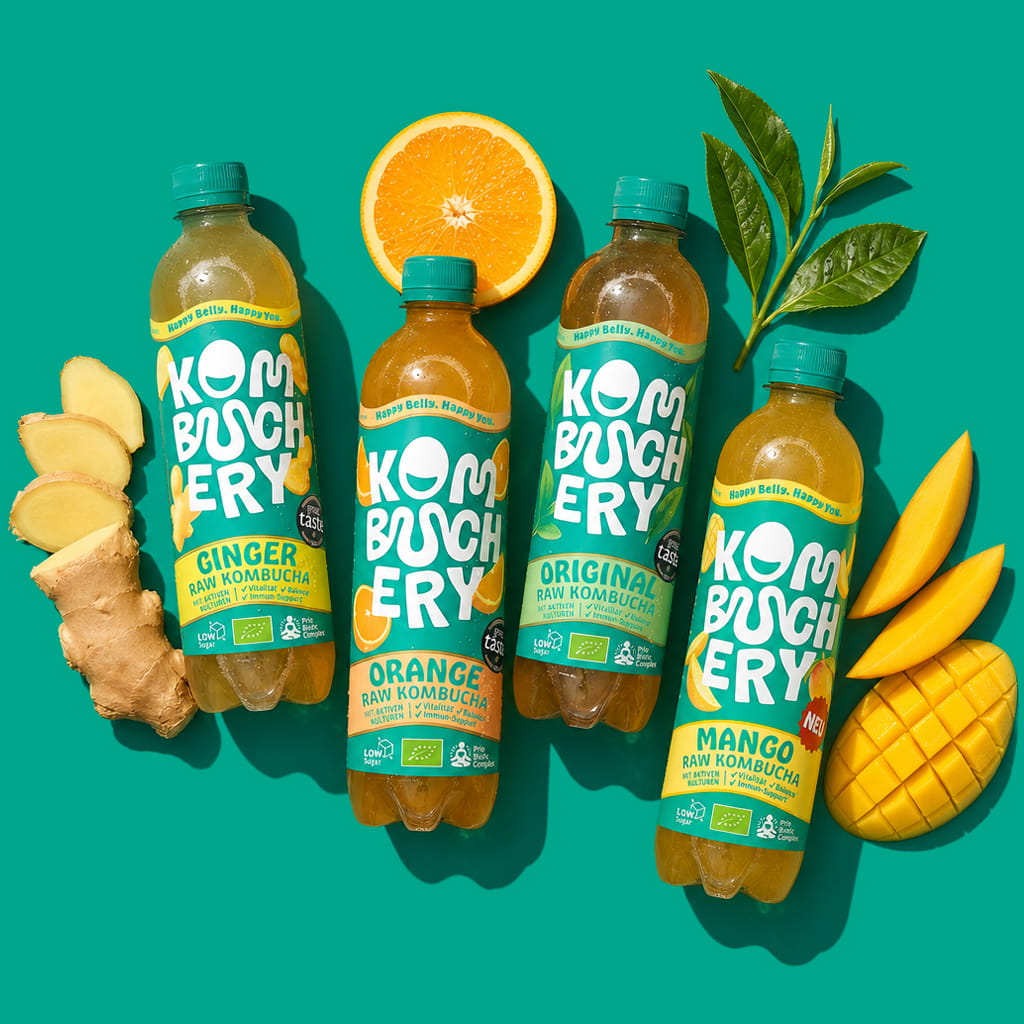
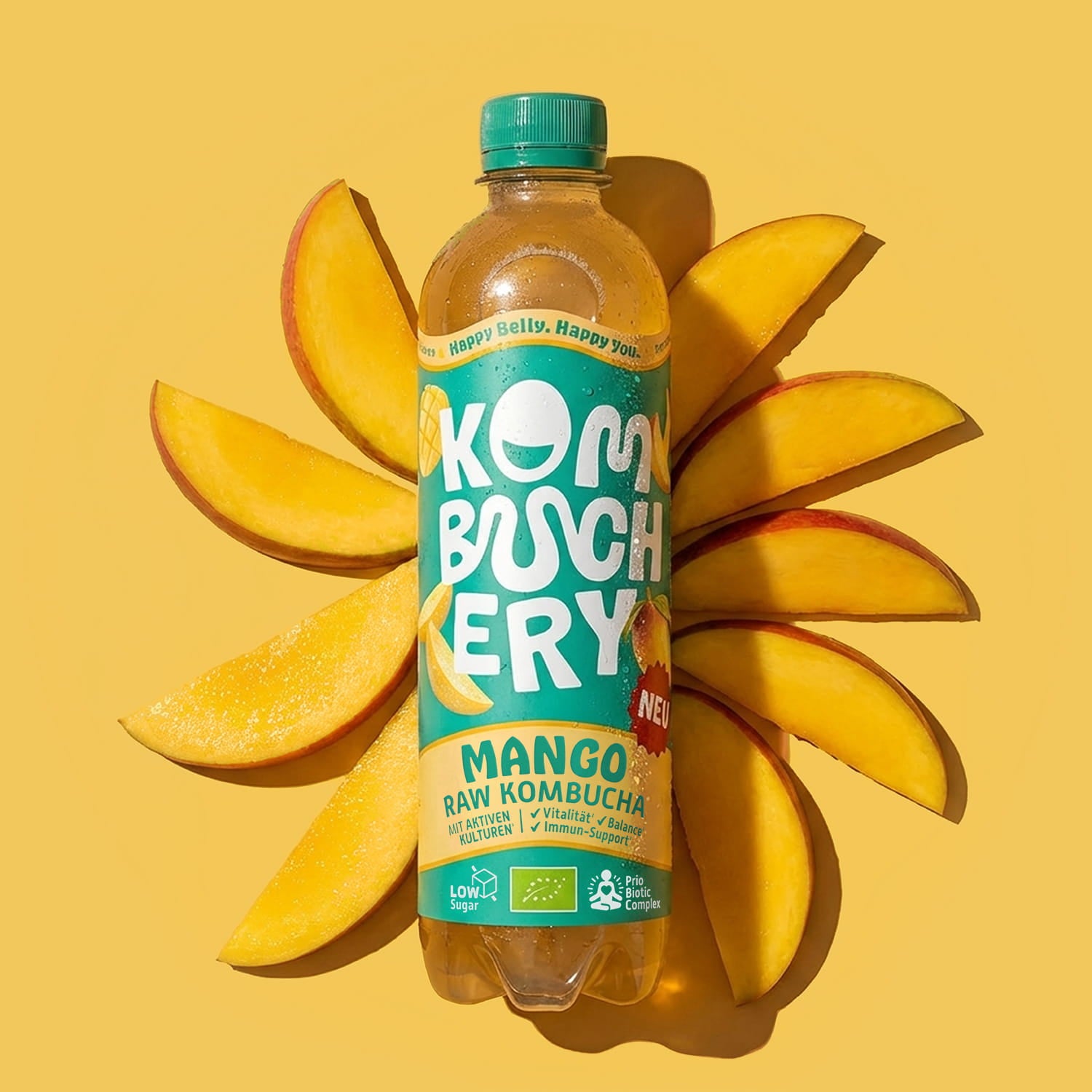
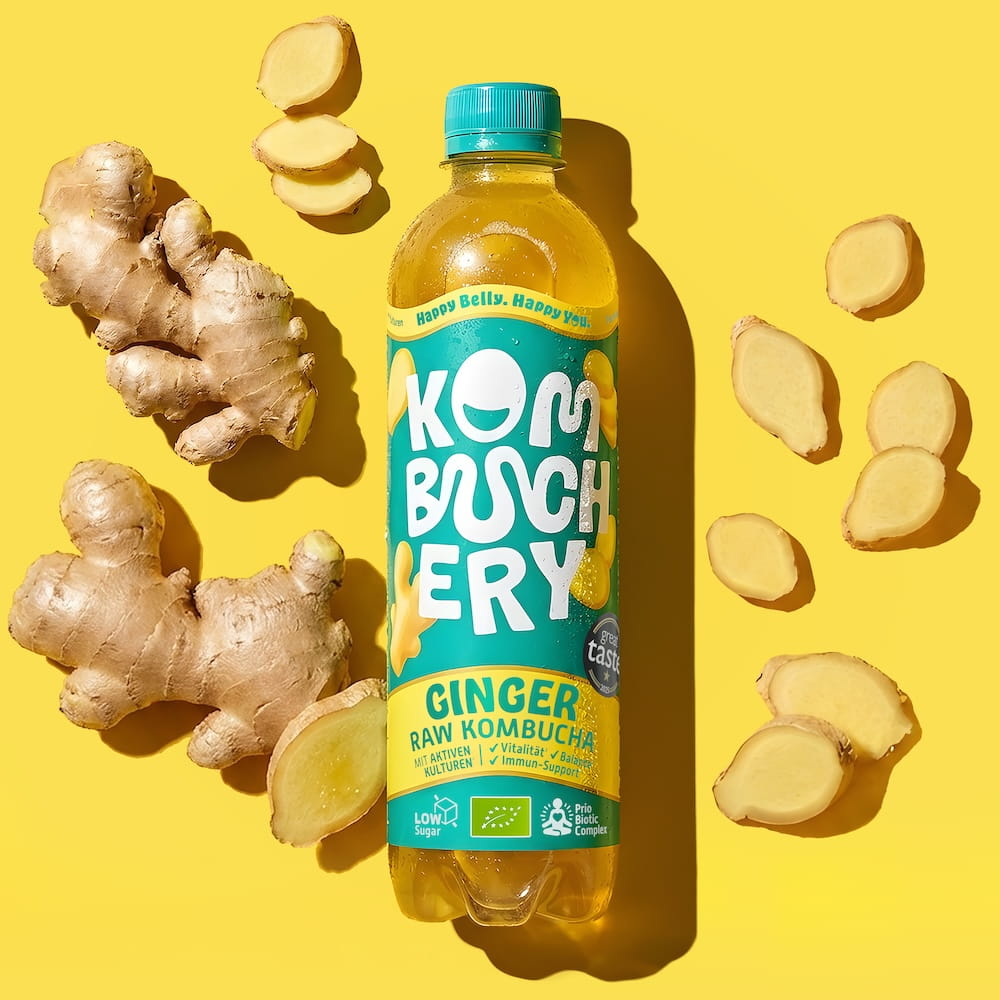
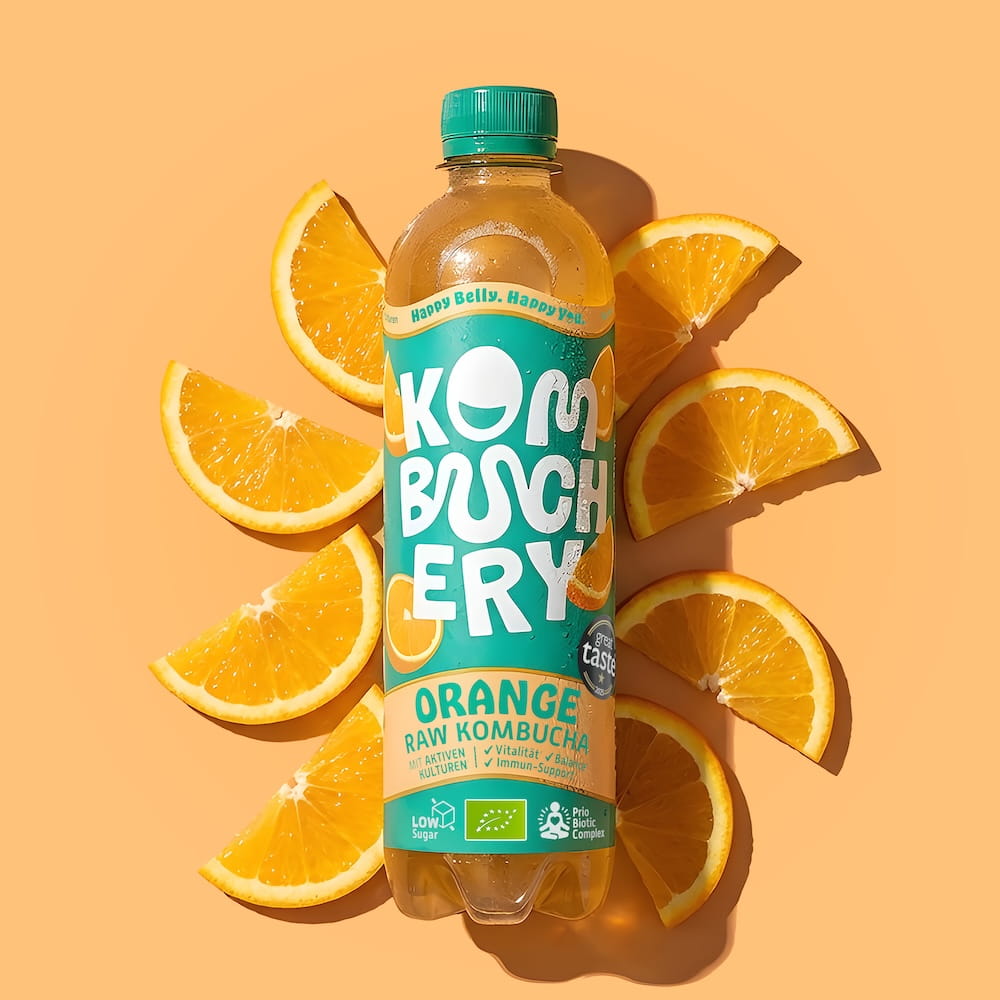
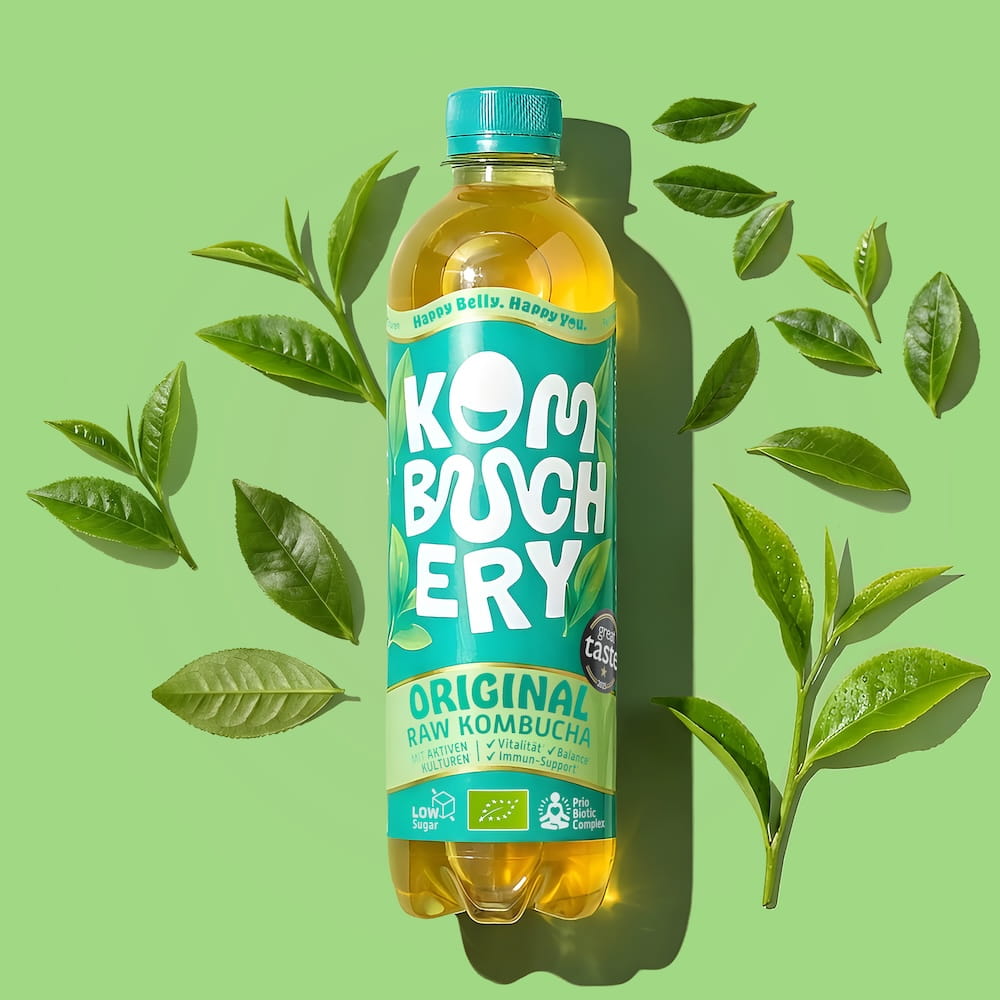
Kombucha is often chosen as an alternative to classic soft drinks. The sugar content varies depending on the manufacturer and recipe. According to the nutritional information provided, Kombuchery contains 2.3 g of sugar per 100 ml. That is up to 50% less sugar than some classic lemonades—the actual difference depends on the product used for comparison.
Water Kefir – Mild and Fizzy Fermented Beverage
Water kefir is a fermented beverage made from sugar water using water kefir crystals. These consist of a community of yeast and bacteria. Depending on the recipe, fruit, dried fruit, or other ingredients may also be used.
Typical characteristics of water kefir:
- made from sugar water and water kefir crystals
- often mild, fruity, and fizzy
- taste depends on fermentation and added ingredients
- composition and sugar content can vary significantly depending on the recipe
- may develop carbon dioxide and small amounts of alcohol during fermentation
Water kefir has a versatile taste. How sweet, tangy, or fizzy the beverage becomes depends on several factors, including the ingredients, fermentation time, and production conditions.
Functional Lemonades with Fiber
Functional lemonades are beverages that, in addition to their taste, contain other selected ingredients. These include added fiber such as inulin, vitamins, or specific cultures. The composition varies depending on the product.
Typical characteristics:
- often fruity and sweet taste
- reduced sugar or no added sugar, depending on the recipe
- sometimes with fiber, vitamins, or added cultures
- not necessarily fermented
- usually available ready to drink and easy to consume
Functional lemonades are interesting for people looking for an alternative to classic soft drinks who also want to pay attention to certain ingredients. A look at the ingredients list and nutritional information helps to compare products effectively. The term "functional" alone does not indicate a proven health benefit.
2. Comparison at a Glance
| Feature | Kombucha | Water Kefir | Functional Lemonade |
|---|---|---|---|
| Base | Tea, sugar, and culture | Sugar water and water kefir crystals | Depending on the product: water, flavorings, and other ingredients |
| Taste | Sweet and tangy, sometimes fruity | Often mild, fruity, and fizzy | Often sweet and fruity |
| Fermentation | Yes | Yes | Not necessarily |
| Sugar content | Depending on the product and fermentation | Depending on the recipe and fermentation | Depending on the recipe; also available with reduced sugar |
| Live microorganisms | Possible in unpasteurized products | Possible depending on production and processing | Only in products formulated accordingly |
| What to look for? | Sugar, caffeine, pasteurization, and ingredients | Sugar, fermentation, and ingredients | Sugar, sweeteners, and added ingredients |
The comparison shows that the type of beverage alone does not determine its composition. The recipe, processing, and storage also affect the characteristics of each product.
3. Comparison of Composition and Characteristics
Kombucha
Kombucha contains components from the tea used, as well as organic acids produced during fermentation. Unpasteurized products may also contain live microorganisms.
Characteristics:
- contains components from tea, including polyphenols and caffeine depending on the type of tea
- may contain less sugar than classic soft drinks depending on the recipe
- develops organic acids during fermentation
- may contain live microorganisms if unpasteurized
Conclusion: Kombucha combines tea and fermentation with a characteristically sweet and tangy taste. Whether it contains less sugar than a classic lemonade can be determined from the nutritional information.
Water Kefir
Water kefir is based on the fermentation of sugar water using a community of yeast and bacteria. The composition of the finished beverage depends on the ingredients and fermentation conditions.
Characteristics:
- fermented beverage made from sugar water
- often mild and fruity
- may contain live microorganisms depending on how it is made
- taste and sugar content can vary significantly depending on the recipe
Conclusion: Water kefir is an alternative for anyone who wants to try a fermented beverage with a different taste. It differs from kombucha in its base ingredients, fermentation culture, and taste profile.
Functional Lemonades
Functional lemonades are not necessarily fermented. Depending on the product, they may contain fiber, vitamins, sweeteners, or other added ingredients.
Characteristics:
- often enriched with fiber such as inulin
- may contain less sugar than classic lemonades depending on the product
- sometimes supplemented with vitamins or cultures
- composition and nutritional values differ significantly between products
Conclusion: Functional lemonades are a diverse category of soft drinks. Whether they contain fermented ingredients or provide additional nutrients depends on the recipe.
4. Everyday Suitability and Frequency of Consumption
Kombucha
- suitable as a refreshing drink or alternative to classic soft drinks
- can be consumed regularly depending on personal preference
- naturally contains caffeine if caffeinated tea is used as the base
- unpasteurized products may contain live microorganisms
Water Kefir
- may be an alternative for people who prefer milder or fruitier fermented beverages
- taste and sweetness depend heavily on the ingredients and fermentation
- depending on the production method, carbon dioxide and small amounts of alcohol may be produced
Functional Lemonades
- usually ready to drink and easy to incorporate into everyday life
- available in different flavors and recipes
- when purchasing, it is worth checking the sugar, sweeteners, and added ingredients
For all three beverage categories, a single generally suitable consumption amount cannot be determined. The specific composition, individual tolerance, and overall diet are the deciding factors. Fermented beverages are not automatically low in sugar or alcohol-free.
5. Everyday Characteristics
Kombucha
- refreshing with a characteristically sweet and tangy note
- adds variety to your beverage choices
- can be an alternative to classic soft drinks
- available with fruit or herbal notes depending on the product
Water Kefir
- often mild and fizzy
- offers a different taste from kombucha
- can be varied with different fruits and other ingredients
Functional Lemonades
- often fruity and sweet in taste
- available with fiber or other added ingredients depending on the recipe
- their composition and potential nutritional benefits depend on the respective product
Conclusion: Which Beverage Is Right for You?
There is no single "best" beverage for everyone. Kombucha, water kefir, and functional lemonades differ primarily in their ingredients, production, taste, and nutritional values.
Kombucha combines tea, fermentation, and a characteristically sweet and tangy taste. Water kefir is a fermented beverage made from sugar water with its own fermentation culture. Functional lemonades are a diverse category whose products may contain fiber or vitamins but are not necessarily fermented.
Which beverage is the best fit for you depends primarily on your taste preferences and the specific ingredients. If a low sugar content is important to you, compare the nutritional information per 100 ml. If you prefer fermented beverages, also pay attention to the production method and pasteurization information.
FAQ: Frequently Asked Questions About Kombucha, Water Kefir, and Functional Lemonades
What Is the Difference Between Kombucha and Water Kefir?
Kombucha is made with tea, sugar, and a culture of yeast and bacteria. Water kefir is usually made from sugar water and water kefir crystals. Both beverages are fermented but differ in their base ingredients and taste profile.
Is Kombucha Lower in Sugar Than Water Kefir?
This cannot be stated generally. The sugar content of both beverages depends on the recipe and fermentation. Compare the nutritional information of the specific products if you want to know which contains less sugar.
Are Functional Lemonades Fermented?
Not necessarily. Some contain fermented ingredients or cultures, while others are made without fermentation and supplemented with fiber, vitamins, or sweeteners. The ingredients list provides information about each product.
Do Kombucha and Water Kefir Contain Alcohol?
Alcohol can be produced during fermentation. How much is contained in the finished beverage depends on several factors, including the recipe, fermentation conditions, and processing. If you need to avoid alcohol, check the specific product information and do not rely solely on the term "fermented".
What Should I Look for When Buying?
Compare the ingredients list, sugar content, and nutritional information. For kombucha and water kefir, information about pasteurization, storage, and possible live microorganisms may also be relevant. For functional lemonades, it is worth taking a closer look at added fiber, sweeteners, and other ingredients.






Share: