




The most important thing when fermenting kombucha yourself is hygiene. Clean hands, vessels and work surfaces, as well as suitable fermentation conditions, help to create a stable starter culture. If you want to make kombucha yourself, you should therefore pay attention to clean equipment and careful preparation from the very beginning.
If you are not yet familiar with homemade kombucha, you can first try a small portion and pay attention to your individual tolerance. How often you want to drink kombucha is a personal decision and not a question of a fixed dosage.
Not everywhere that says kombucha on it actually contains it
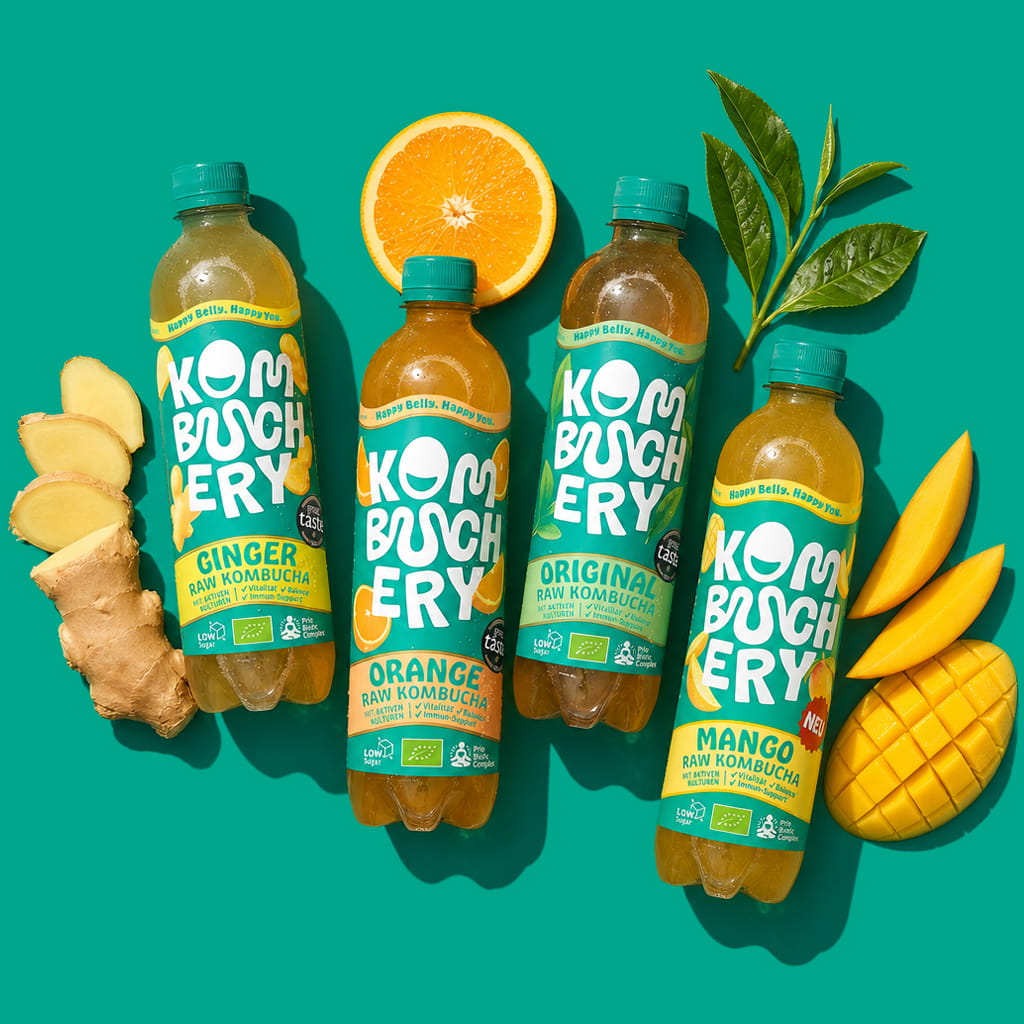
Pay attention to the ingredients, sugar content and manufacturing process when purchasing. Kombucha is also a soft drink and should be assessed in terms of its specific composition. The ingredients of industrially produced and self-fermented kombucha can differ. Since small amounts of alcohol can be produced during fermentation and kombucha can contain caffeine depending on the tea used, pregnant women and parents should pay attention to the information on the respective product.

Hygiene when making kombucha at home
As mentioned at the beginning, it is particularly important to follow various hygiene rules when fermenting kombucha at home. If the preparation is not clean, unwanted microorganisms can enter the starter culture. Therefore, pay close attention to hygiene, suitable fermentation conditions and noticeable changes in appearance or smell during kombucha fermentation. A sufficiently acidic starter culture is also important. Therefore, follow these four basic hygiene principles when making kombucha yourself.
Hygiene principles for kombucha fermentation at home:
- Wash your hands thoroughly and carefully clean the vessels as well as all the equipment you use with hot water and dishwashing liquid before preparation. Make sure that all items that come into contact with the kombucha are clean.
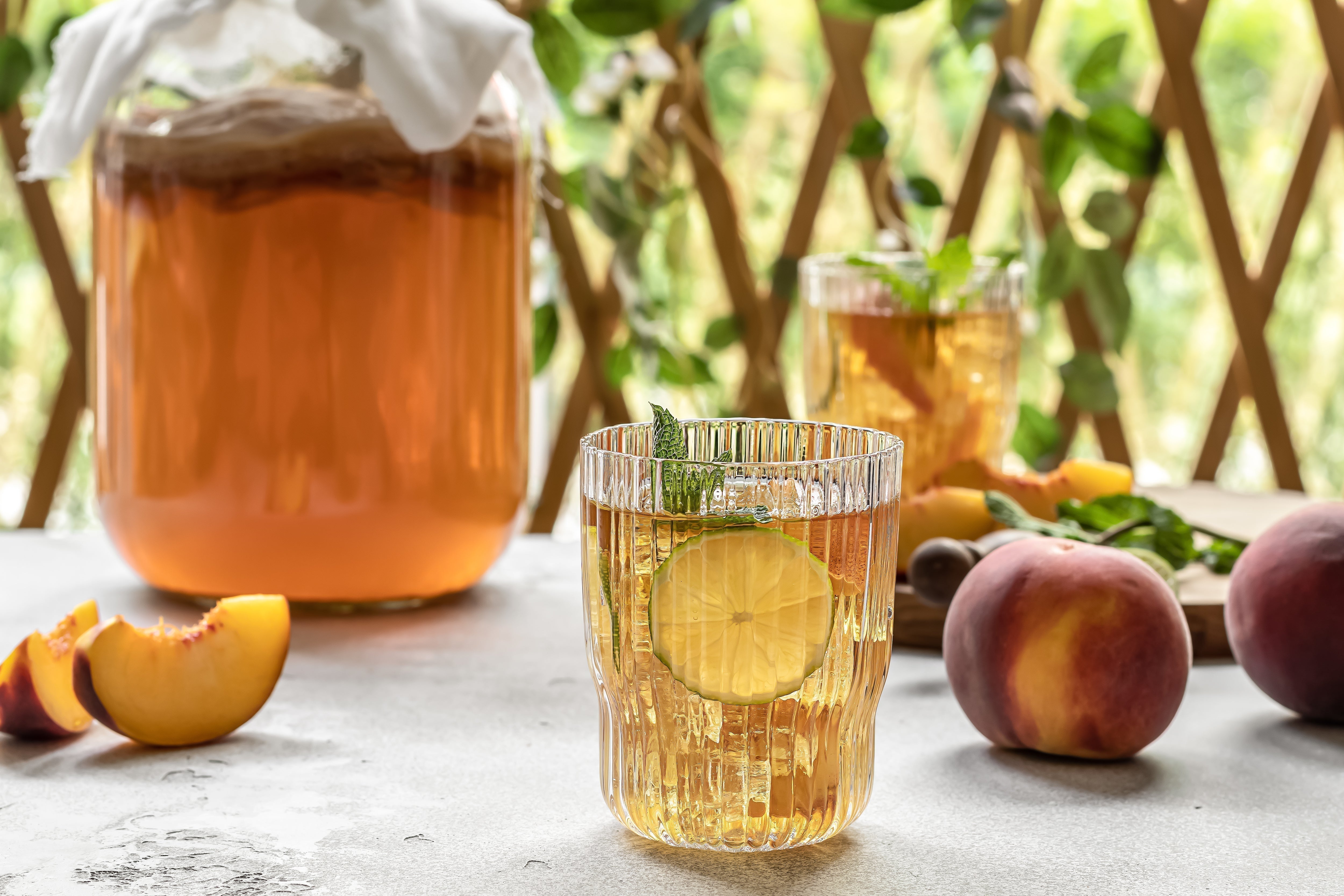
- Use a suitable, clean glass vessel for fermentation. Cover the opening with a clean, breathable cloth and secure it with a rubber band. This allows air to reach the starter culture while the cloth keeps insects and large impurities away.
- As soon as you discover mold, discard the entire kombucha culture including the liquid. Do not use the SCOBY again. Do not automatically mistake possible natural deposits or the formation of a new SCOBY layer for mold. However, fluffy, dry or noticeably discolored areas are warning signs.
- If the color or smell changes unusually, stop the fermentation and do not use the starter culture any further. Do not rely solely on the smell or taste when assessing. If in doubt, you should discard the entire starter culture.
We wish you many more refreshing kombucha moments to enjoy. Cheers!
Summary: Making kombucha safely yourself
Anyone fermenting kombucha at home should pay particular attention to clean hands, thoroughly cleaned vessels and suitable equipment. A clean cloth protects the starter culture from insects and large impurities. Monitor the fermentation carefully and discard the entire starter culture in case of mold or significant abnormalities. Reliable instructions and suitable fermentation conditions are important prerequisites for the safe production of homemade kombucha.
Frequently asked questions about kombucha fermentation
Why is hygiene so important with homemade kombucha?
Unwanted microorganisms can enter the starter culture during fermentation. Clean hands, cleaned vessels and clean equipment help to avoid contamination.
Which vessel is suitable for kombucha fermentation?
A suitable glass vessel is a common choice for fermenting kombucha. It should be clean and undamaged. The opening is covered with a clean, breathable cloth so that air can reach the starter culture and insects are kept away.
How can I recognize mold on my SCOBY?
Mold can show itself through dry, fluffy or noticeably discolored areas on the surface. Natural deposits and the formation of a new SCOBY layer can, on the other hand, look different. If you suspect mold, you should discard the entire starter culture including the SCOBY and thoroughly clean the vessel.
Can I still drink homemade kombucha if it smells unusual?
No. If the smell or color changes noticeably or you have doubts about the quality, you should not drink the starter culture. Even an inconspicuous smell test alone does not guarantee that the kombucha is safe.
Is alcohol produced during kombucha fermentation?
Yes, small amounts of alcohol can be produced during fermentation. The actual amount depends on, among other things, on the ingredients and the fermentation conditions. With homemade kombucha, it cannot be reliably assessed solely on the basis of taste or smell.







Share: