
Login

– Before you continue reading –

Not only do we know almost everything about kombucha, we also brew it!

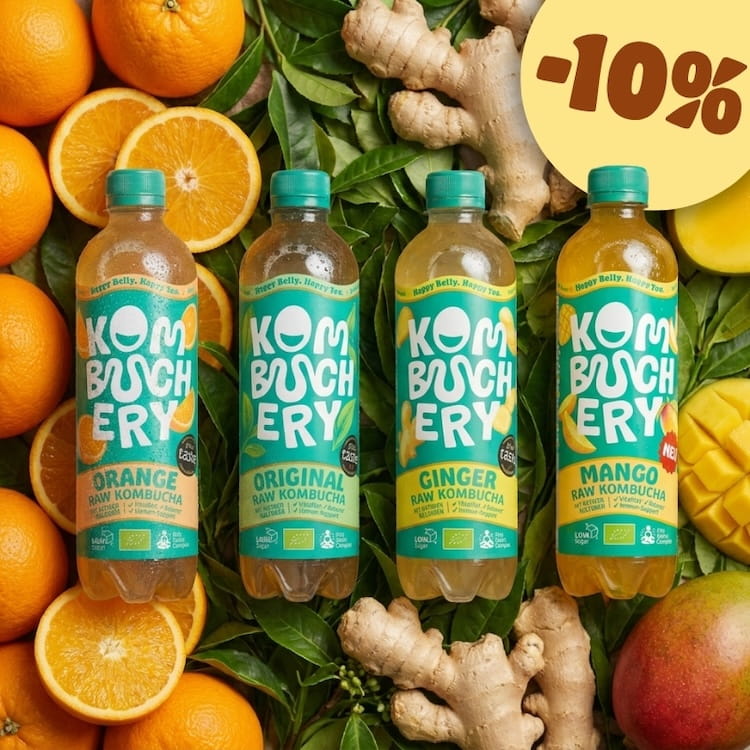
Our 8-times award-winning Raw Kombucha combines millions of active cultures with smart organic ingredients and vitamin C. Thirsty yet? Visit our shop and see for yourself!

Try Kombuchery
Editorial Note: This article deals with general scientific findings on kombucha and not with Kombuchery products. Scientific findings and study results are not automatically transferable to individual foods or products. The article does not replace medical or nutritional advice and is not to be understood as a health-related statement about specific foods or products.

The content is based on scientific literature, publicly available sources, and the author's assessment, and does not claim to be exhaustive. New studies may confirm, supplement, restrict, or refute existing findings. Scientific publications should therefore always be considered in the overall context of the available evidence.

Studies generally refer to the specific conditions, ingredients, microorganisms, dosages, manufacturing processes, and groups of people investigated. The presented results cannot therefore be readily transferred to other foods, recipes, manufacturing processes, or products.

No statements about the effects, properties, or health benefits of specific foods or products can be derived from the information presented.

Health-related claims for foods in the European Union are subject to the applicable legal requirements. The presentation of scientific research is therefore not to be equated with a permissible health-related claim about a food or product.

If you would like to delve deeper into a topic, we recommend consulting the scientific sources linked in the article and other independent specialist literature to gain as comprehensive an understanding as possible of the current state of research.

Kombucha: Shelf Life and Proper Storage of Fermented Tea

How long does kombucha last? Does kombucha need to be refrigerated, and how can you tell if it is still safe to drink? The answers depend on several factors, including whether the kombucha was made at home or industrially bottled and whether it has been pasteurized. Here you will find out what you should consider regarding the shelf life and storage of kombucha.

Unpasteurized vs. Pasteurized Kombucha

We exclusively sell unpasteurized raw kombucha. Pasteurization involves heating a beverage to reduce or inactivate microorganisms. This also affects heat-sensitive live cultures in the kombucha. Depending on the temperature and duration, individual heat-sensitive ingredients may also change. The microorganisms and nutrients contained, and in what quantities, depend on the respective product and manufacturing process.

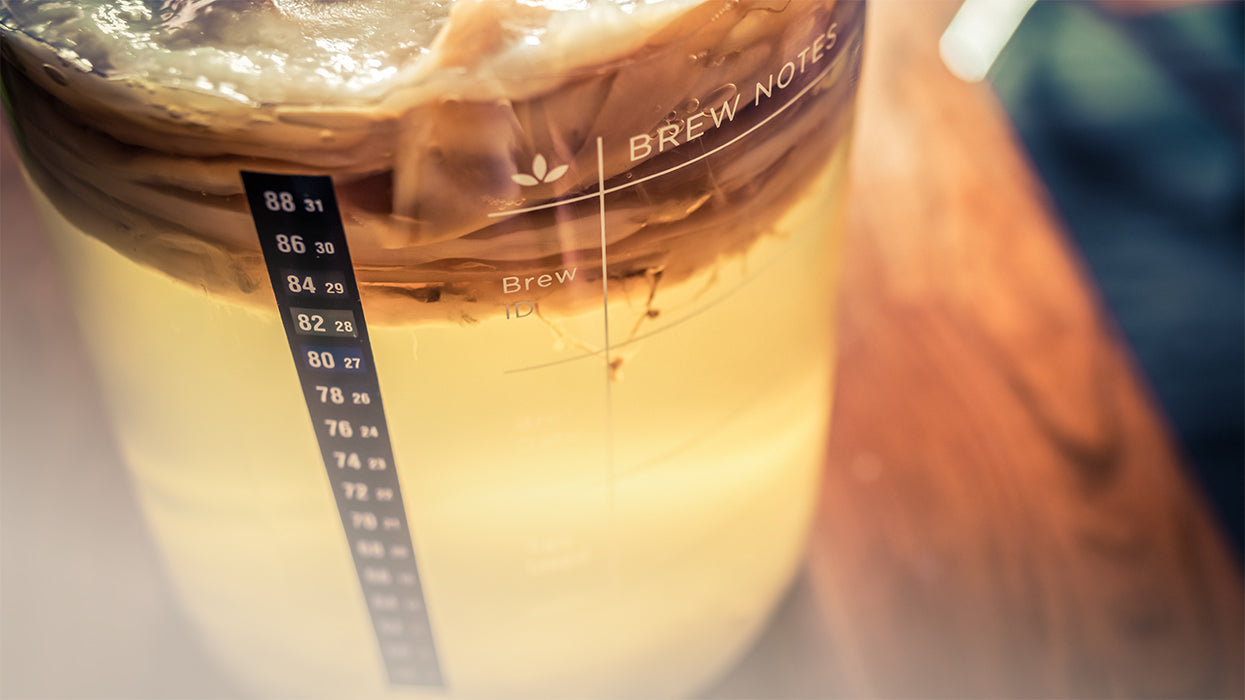
Unpasteurized kombucha contains live microorganisms from the fermentation process. These can remain active. This is why the taste may change during storage: the beverage can become more sour and develop carbonation through further fermentation. The extent of these changes depends on the recipe, temperature, and other storage conditions.

Pasteurized kombucha, on the other hand, differs microbiologically due to heat treatment. Some manufacturers deliberately add specific microorganisms after heat treatment. Whether such a product contains live cultures and what properties they have can only be assessed based on the specific product information.

How long does kombucha last if I make it myself? How should I store the fermented tea?

There is no general shelf life of, for example, nine months for homemade kombucha. It depends on several factors, including hygiene during production, acidity, fermentation time, bottling, and storage temperature. After bottling, the fermentation process in unpasteurized kombucha is not automatically stopped.

During storage, kombucha can continue to ferment, become more sour, and develop additional carbonation. This can also create pressure in the bottle. At the same time, the beverage can be contaminated by unwanted microorganisms or spoil. Therefore, a long fermentation time or a sour taste alone are not proof that the kombucha is safe.

This is how you properly store homemade kombucha:

  • Store in a cool place: Store bottled, unpasteurized kombucha in the refrigerator as much as possible. Low temperatures slow down further fermentation, but do not necessarily stop it completely.
  • Keep away from light: Do not place the bottles in direct sunlight or in a warm place.
  • Bottle hygienically: Use thoroughly cleaned bottles and utensils to reduce the risk of contamination.
  • Monitor pressure: Further fermentation can produce carbonation. Use suitable bottles and check the batch regularly. Open bottles carefully, especially if they have been stored at room temperature.
  • Refrigerate after opening: Close the bottle again and store it in the refrigerator. Also follow the recommendations of the respective recipe or manufacturer.

Consistent refrigeration can slow down further fermentation. However, how long homemade kombucha remains safe and tastes good cannot be predicted in advance. Therefore, do not rely solely on a specific number of days or weeks.

How long does store-bought kombucha last?

With industrially bottled kombucha, follow the best-before date and the storage instructions on the packaging. The shelf life depends on the recipe, production, bottling, and intended storage. Therefore, it is important to follow the information provided by the respective manufacturer.

Unpasteurized kombucha can also be stored unopened under suitable conditions without necessarily having to be refrigerated at all times. This depends on the specific product. For Kombuchery Raw Kombucha, the following applies: Store unopened bottles at less than 30°C and refrigerate after opening.

After opening, oxygen and potential contaminants can affect the product quality. Therefore, close the bottle again, place it in the refrigerator, and follow the instructions on the label.

Attention: Is kombucha with added cultures automatically probiotic?

Some kombucha manufacturers pasteurize their beverage and then deliberately add selected microorganisms. However, whether a product can be described as probiotic cannot be inferred solely from the fact that certain cultures have been added. Relevant factors include, among others, the specific microorganisms, their quantity, their properties, and the scientific evidence. Furthermore, statements about health effects must comply with applicable legal requirements.

How can I tell if kombucha is no longer good?

Changes in taste or appearance can partly be caused by further fermentation in unpasteurized kombucha. Nevertheless, you should look out for possible signs of contamination.

  • Mold: Fuzzy, dry patches or noticeable green, blue, or black growth may indicate mold. In this case, discard the entire batch and do not taste the beverage.
  • Unusual odor: A distinctly putrid or otherwise unusual odor is a warning sign.
  • Unexpected pressure: Severely bloated packaging, unusually high pressure, or vigorous overflowing can indicate pronounced secondary fermentation or a storage problem. Open the bottle carefully and keep it away from your face.
  • Deviations from the product's condition: Follow the manufacturer's instructions. If you have doubts about the safety of the beverage, you should not drink it.

Individual yeast strands, sediment, or slight cloudiness can occur in unpasteurized kombucha and are not automatically a sign of spoilage. However, if you suspect mold or other noticeable changes, you should not take any risks.

Frequently asked questions about kombucha shelf life

Does kombucha always need to be refrigerated?

This depends on the product. Homemade, unpasteurized kombucha should be stored as cool as possible after bottling, as it can continue to ferment. For store-bought kombucha, follow the manufacturer's storage instructions. Some products can be stored unopened at room temperature.

Can kombucha still be drunk after the best-before date?

The best-before date is not a general safety guarantee for the time after it. Whether a product is still suitable depends on several factors, including the intended storage, the condition of the packaging, and the product itself. Follow the manufacturer's instructions and do not drink kombucha if you have doubts or notice unusual changes.

Does kombucha go bad in the refrigerator?

Kombucha does not last indefinitely in the refrigerator either. Refrigeration slows down fermentation and other changes, but does not completely prevent them. Follow the best-before date or the instructions for use after opening.

Why does unpasteurized kombucha become more sour over time?

Yeast and bacteria can remain active in unpasteurized kombucha. Under suitable conditions, they continue fermentation, which can change the taste and acidity. Refrigeration slows down this process.
Recommended articles for you

More of my articles, from A, like alcohol-free kombucha cocktails, to Z, like lemon-ginger kombucha, can be found on our Kombuchery blog. Let's learn more about kombucha together!

View all

Herbstliche Kombucha-Rezepte: 5 Ideen mit Apfel, Birne und Gewürzen

Autumn Kombucha Recipes: 5 Ideas with Apple, Pear, and Spices

When the days get shorter, the air outside smells of autumn, and we make ourselves cozy at home, a little autumn can also move into the glass. 🍂 How about fruity apple, juicy pear, a pinch of cinnamon, and a...

Read moreabout Autumn Kombucha Recipes: 5 Ideas with Apple, Pear, and Spices

Mate Tee Trinkhalm Mateteegefaess

Mate Kombucha: What you should know about mate tea, caffeine, and yerba mate

Mate tea meets kombucha Mate and kombucha can be combined for an exciting flavor profile: the characteristically bitter, slightly smoky taste of mate meets the typical sweet-tart note of fermented kombucha. Mate tea has a long tradition, especially in South...

Read moreabout Mate Kombucha: What you should know about mate tea, caffeine, and yerba mate

Schwangere Frau im Anschnitt grosser Bauch Wiese Abendsonne

Is kombucha suitable for pregnant women and children? All about the alcohol content

Who should drink kombucha? Kombucha is a fermented tea drink. Fermentation can produce small amounts of alcohol. Depending on the tea used, kombucha may also contain caffeine. But how is alcohol actually produced in kombucha? How high can the alcohol...

Read moreabout Is kombucha suitable for pregnant women and children? All about the alcohol content

Warum kann Kombucha Alkohol enthalten? Alle Fragen zum Alkoholgehalt im Überblick

Why Can Kombucha Contain Alcohol? All Your Questions About Alcohol Content Answered

How is alcohol formed in kombucha? Is there kombucha without alcohol? Can pregnant women drink kombucha? Can I make alcohol-free kombucha? All your questions about kombucha and alcohol answered here!

Read moreabout Why Can Kombucha Contain Alcohol? All Your Questions About Alcohol Content Answered

10 Fakten zu Kombucha kaufen oder selber brauen Inhaltsstoffe

Fermented Tea Drink – 10 Interesting Kombucha Facts

What You Should Also Know About Kombucha 1. Kombucha Shelf Life How long kombucha lasts depends on how it is made, bottled, and stored. Because of this, it is not possible to give a general shelf life of several months...

Read moreabout Fermented Tea Drink – 10 Interesting Kombucha Facts

Kombucha, Wasserkefir & funktionale Limonaden im Vergleich

Kombucha, Water Kefir & Functional Lemonades in Comparison

Kombucha or Water Kefir? A Comparison with Functional Lemonades The range of beverages has changed significantly in recent years. In addition to classic soft drinks, an increasing number of fermented beverages and so-called functional lemonades are now available in supermarkets....

Read moreabout Kombucha, Water Kefir & Functional Lemonades in Comparison

Kombucha Guide Berlin: 10 Cafés & Restaurants in 5 Bezirken

Kombucha Guide Berlin: 10 Cafés & Restaurants in 5 Districts

Urban Wellness in Berlin: 5 Neighborhoods Where You Can Discover Kombucha Berlin is one of Europe's most exciting cities when it comes to modern food and drink culture. With its sweet and sour taste, kombucha is a perfect fit for...

Read moreabout Kombucha Guide Berlin: 10 Cafés & Restaurants in 5 Districts

Kombucha und seine Wirkung: Wissenschaftliche Studien zu Inhaltsstoffen, Fermentation und Gesundheit

Kombucha and Its Effects: Scientific Studies on Ingredients, Fermentation, and Health

Kombucha is one of the most intensively studied fermented beverages of recent years. Modern microbiological, nutritional, and clinical studies show that the drink possesses an exceptionally complex biochemical composition. Numerous bioactive compounds are formed during fermentation, including organic acids, polyphenols,...

Read moreabout Kombucha and Its Effects: Scientific Studies on Ingredients, Fermentation, and Health

World Kombucha Day am 21. Februar: Geschichte, Fakten & Tipps zum Feiern

World Kombucha Day on February 21: History, Facts & Tips for Celebrating

World Kombucha Day: Celebrate the Sparkling History of Kombucha Every year on February 21, World Kombucha Day is celebrated. The promotional day invites kombucha fans to discover the variety of the fermented tea drink – whether homebrewed or store-bought. It...

Read moreabout World Kombucha Day on February 21: History, Facts & Tips for Celebrating

¹at the time of bottling
²Vitamin C contributes to the normal function of the immune system, normal energy-yielding metabolism, and the protection of cells from oxidative stress.
  • Vitamin C contributes to the normal function of the immune system.
  • Vitamin C contributes to normal psychological function.
  • Vitamin C contributes to normal energy-yielding metabolism.
  • Vitamin C contributes to the reduction of tiredness and fatigue.
  • Vitamin C contributes to the normal functioning of the nervous system.
  • Vitamin C contributes to the protection of cells from oxidative stress.
  • Vitamin C contributes to the regeneration of the reduced form of vitamin E.
  • Vitamin C contributes to normal collagen formation for the normal function of the skin.
  • Vitamin C contributes to normal collagen formation for the normal function of blood vessels.
  • Vitamin C contributes to normal collagen formation for the normal function of bones, cartilage, teeth and gums.
  • Vitamin C increases iron absorption.